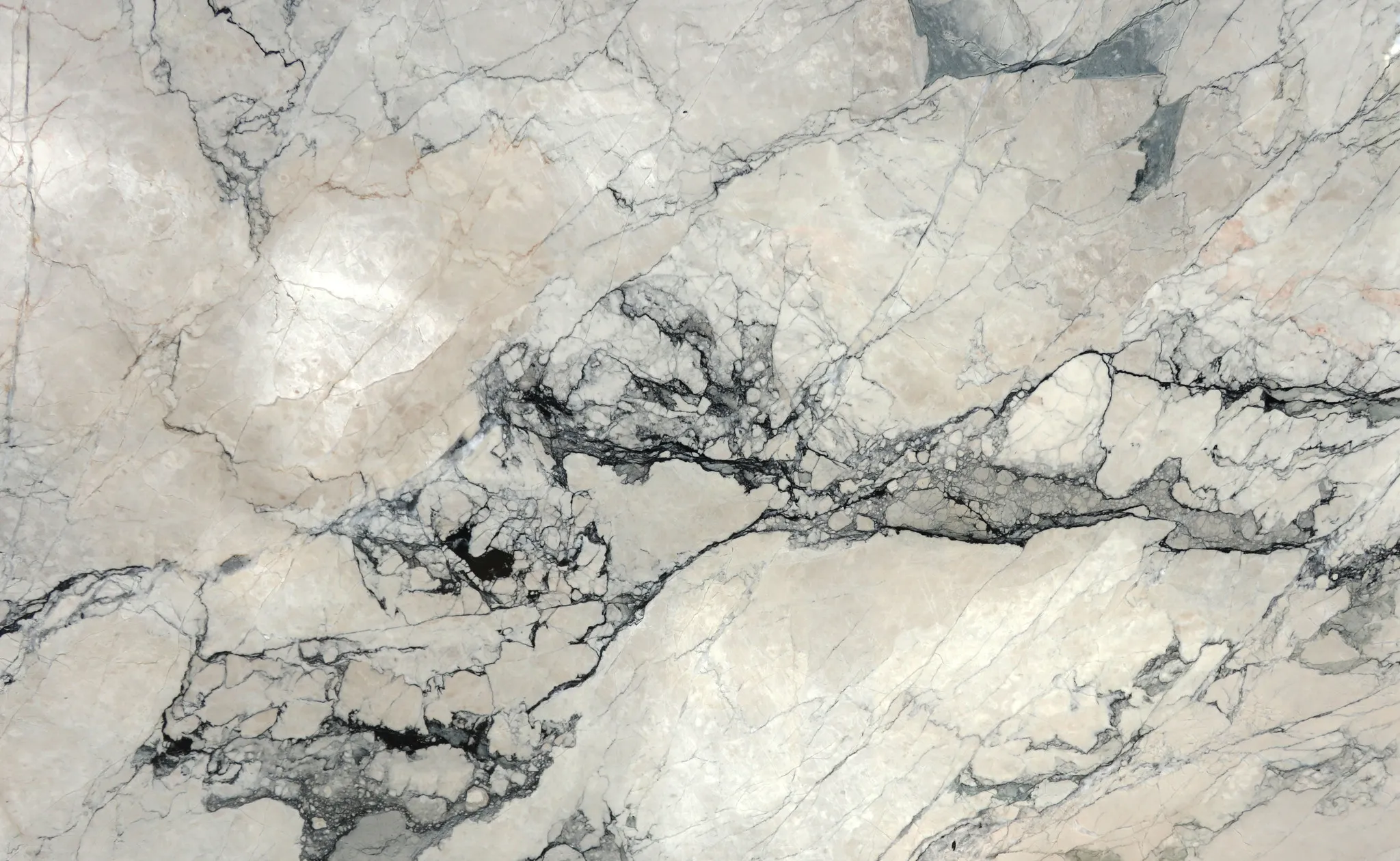
Everyday Cleaning
For everyday cleaning and spills, all you need is water and a mild soap.
- You can use a spray cleaner with a soft cloth or even a non-abrasive scourer, followed up by a quick rinse and dry with water and a soft cloth or paper towel.
- Be sure to wipe up any wet spills to prevent limescale from forming
Avoid using plant-based cleaning products. as they may cause a chemical build up. - If you are unsure about a specific product, its best to first check on a small, inconspicuous area to ensure that there is no damage to the surface.

Dried Spills & Stubborn Stains
Sometimes we don’t see those spills, and even if we do, they can dry quickly.
But don’t worry –
- Carefully scrape away the spill, be it paint, food or gum, with a thin plastic edge and then clean the surface with a soft, damp and colourless cloth.
Stubborn stains can be surprisingly easy to remove.
Metal marks left by keys, knives, buckets or belts can usually be removed by rubbing gently with a latex eraser.
For a more thorough clean –
- Gently rub the area with an appropriate cleaner and a soft cloth or uncoloured paper towel.
- Clean in a circular motion, in a larger area than the stain itself.
- Rinse with water and then dry with a clean, soft cloth or colourless paper towel.
- Repeat the process if the stain remains.
Limescale
- Fill an empty spray bottle with 50ml of white wine vinegar alongside 200ml water, making a 1:4 solution.
- Spray on the limescale, and leave it for 5 minutes.
- Rub gently with a non-scratch scourer using wide, circular strokes, then rinse with plenty of water.
If the limescale persists, repeat the process until it is removed.
What To Avoid
Avoid using harsh cleaning products – Oven cleaners, dishwasher polishing agents, lye, caustic soda, acetone, paint strippers or any product containing trichloroethane or methylene chloride are not recommended.
- As previously mentioned, avoid using plant-based cleaning agents as they may cause a chemical build up.
- Do not allow dirt or liquids to remain on the surface for an extended period of time.
- Do not use abrasive scourers, as they can scratch and damage the finish.
- If you are using a new product, test on a small and inconspicuous area first, ensuring that there is no damage to the surface.
General Guidelines
Food preparation – Always use cutting boards when chopping or slicing, avoid cutting directly on the worktop surface to prevent scratches.
Heat resistance – Avoid placing hot pans, pots or trays directly on the surface. Use heat-resistant trivets or pads to prevent heat damage.
Avoid impact – Do not drop heavy objects on the worktop, as this may cause chips or cracks.
Avoid abrasive cleaning utensils – Do not use steel wool, scouring pads, or abrasive powders.
Scratches and Chips – Minor scratches can be minimised using a mild cream cleaner and a soft cloth. Deep scratches and chips along edges or corners should be evaluated and repaired by a professional.
How to reseal a natural stone surface
To reseal your natural stone worktop, there are a variety of products available, but we’d recommend using STAIN-PROOF® Premium Impregnating Sealer. Before using an untested product, its usually a good idea to test it on a small, inconspicuous area first.
- Remove everything from the worktop and clean the surface with a mild soap and a smooth, clean cloth, then dry thoroughly.
- Apply the product evenly with another dry cloth and allow to soak in.
- Once dried, buff and polish the surface.
See manufacturers guidelines for more detailed information.
Recommended Products
A classic option for stone care is Bar Keepers Friend®. For more stubborn stains like rust marks, a small amount of their powder can be placed on a damp, colourless cloth (be sure to not use an abrasive scourer). Wipe gently in a circular motion, and then rinse thoroughly with warm water and a dry soft cloth or paper towel.
We also recommend Antiquax® Marble Wax, STAIN-PROOF® Premium Impregnating Sealer, and Method® Granite and Marble Cleaner.